Many stem cell therapies are still in the research stage, and some are being used in clinical practice worldwide for specific conditions.
Bone marrow transplants are the most widely used stem cell treatment currently available and are typically used to treat blood disorders like lymphoma or leukemia. Certain diseases or injuries of the skin, bones,…
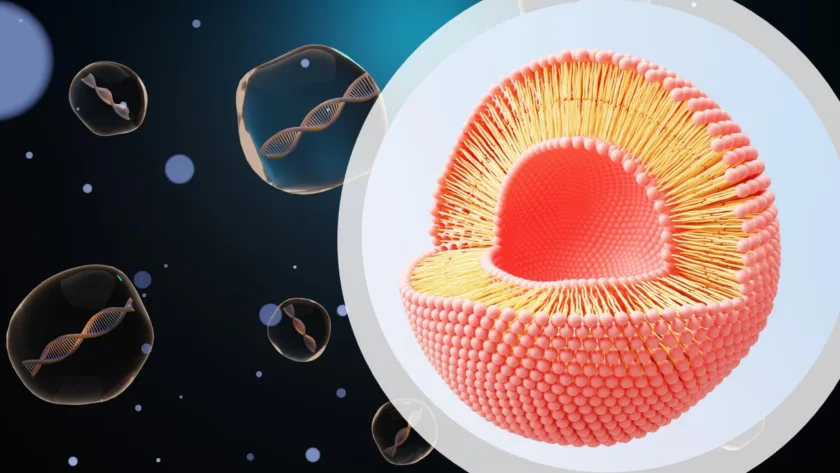
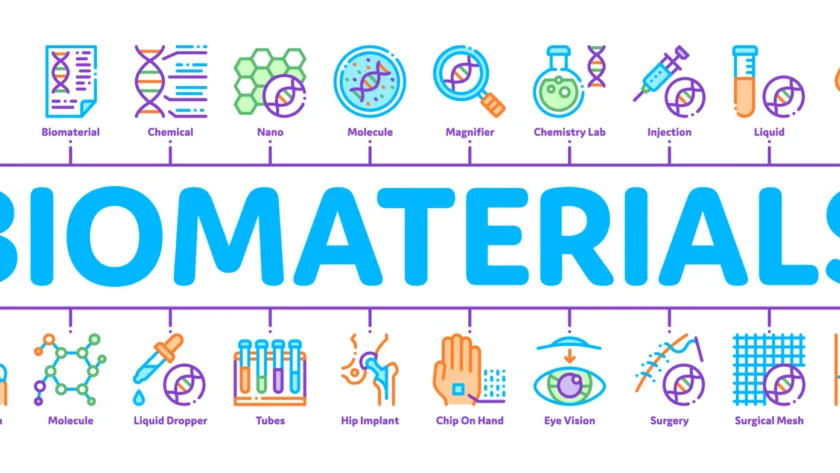
Biomaterials, a convergence of biology and materials science, have revolutionized the medical field, paving the way for groundbreaking advancements in prosthetics, tissue engineering, and drug delivery. These materials, designed to interact harmoniously with the human body, have the potential to transform healthcare, offering regenerative therapies, targeted drug delivery, and personalized medical solutions.
Biomaterials: A Symbiotic…
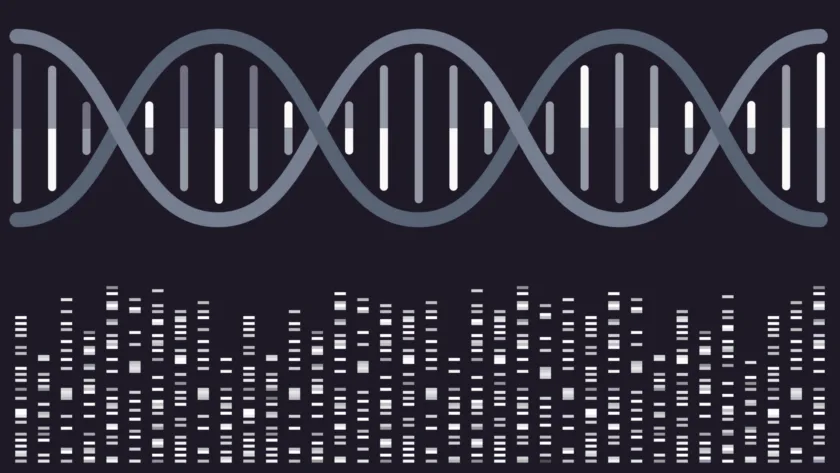
In the intricate tapestry of life, genes serve as the blueprints, dictating the form and function of every living organism. Gene sequencing, a revolutionary technique that has emerged as a cornerstone of modern biology, enables us to decode this intricate language of life, revealing the secrets embedded within our DNA.
Getting into the DNA Blueprint …
A recent publication in Nature titled "Angstrom Resolution Fluorescence Microscopy" is yet to stun the scientific community. The paper describes a new technique that allows for imaging biological structures at an unprecedented level of detail, down to the scale of individual atoms. This breakthrough has the potential to revolutionize the field of microscopy and open…
Electron dynamics in matter play a critical role in a wide range of physical, chemical, and biological processes. Understanding these dynamics at the attosecond timescale, which corresponds to one quintillionth of a second, opens up a fascinating realm of exploration. In this article, we will delve into the experimental methods used to study electron dynamics…
CNM is a non-invasive, high-throughput imaging technique that uses the sound of crackling to image surfaces. It is similar to other microscopic techniques, such as atomic force microscopy (AFM) and scanning tunneling microscopy (STM), but it has some unique advantages.
AFM and STM are both contact-based microscopy techniques, meaning that the probe tip must be…