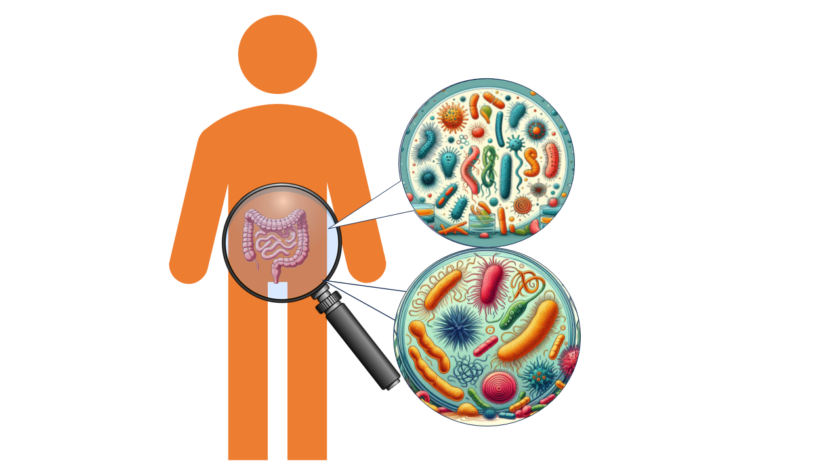
The human body is home to a hidden world of trillions of microorganisms known as the gut microbiome. These tiny creatures, mainly bacteria, are now thought to have a significant impact on our health, with emerging research linking them to autism spectrum disorder (ASD).
A recent groundbreaking study published in Nature Microbiology has brought attention…
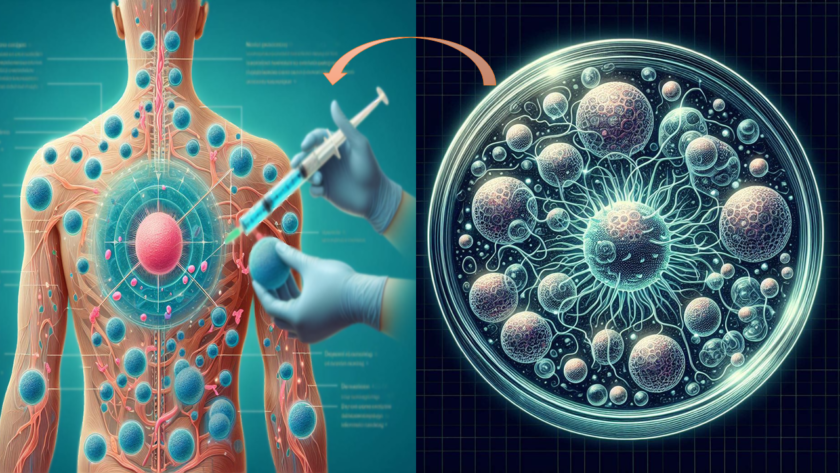
Stem cell therapies have made significant progress on a global scale, presenting both opportunities and obstacles in the field of medical treatment. This contemporary overview aims to shed light on the latest advancements and hurdles encountered in utilizing stem cells for therapeutic purposes worldwide. Stem cell therapies, once confined to the realm of science fiction,…
In the bustling metropolis of life, amidst the towering giants of plants, the agile acrobats of animals, and the ubiquitous presence of humans, lies an unseen realm teeming with microscopic inhabitants – the world of microbes. These tiny organisms, invisible to the naked eye, play a crucial role in maintaining the delicate balance of ecosystems,…
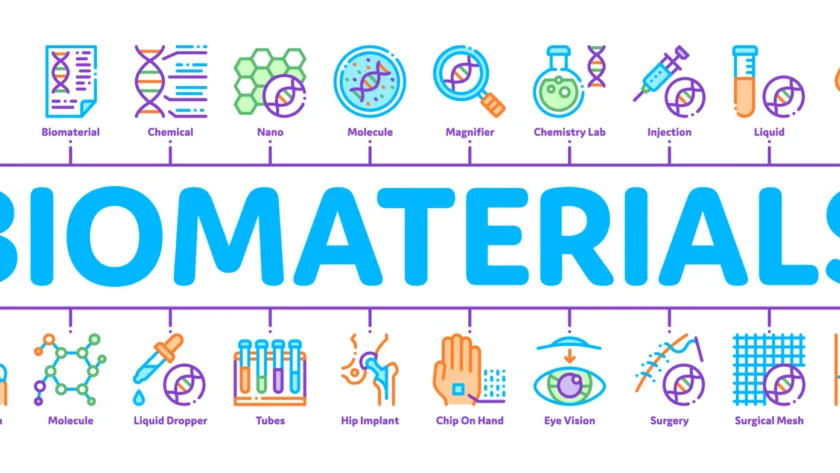
Biomaterials, a convergence of biology and materials science, have revolutionized the medical field, paving the way for groundbreaking advancements in prosthetics, tissue engineering, and drug delivery. These materials, designed to interact harmoniously with the human body, have the potential to transform healthcare, offering regenerative therapies, targeted drug delivery, and personalized medical solutions.
Biomaterials: A Symbiotic…
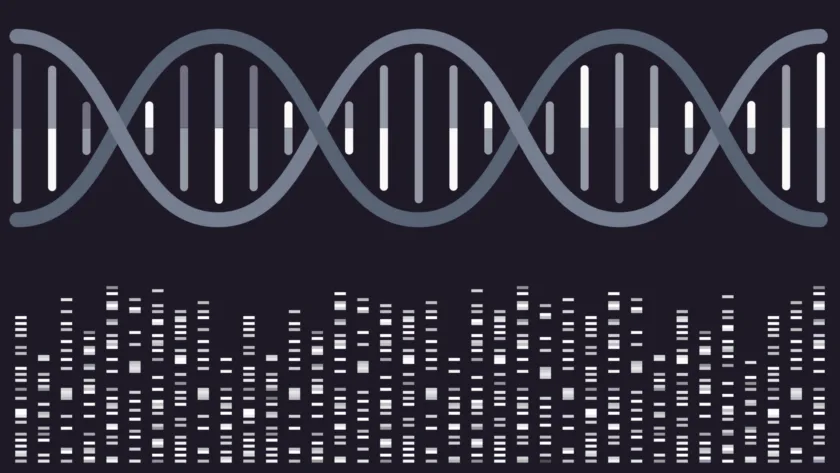
In the intricate tapestry of life, genes serve as the blueprints, dictating the form and function of every living organism. Gene sequencing, a revolutionary technique that has emerged as a cornerstone of modern biology, enables us to decode this intricate language of life, revealing the secrets embedded within our DNA.
Getting into the DNA Blueprint …
A recent publication in Nature titled "Angstrom Resolution Fluorescence Microscopy" is yet to stun the scientific community. The paper describes a new technique that allows for imaging biological structures at an unprecedented level of detail, down to the scale of individual atoms. This breakthrough has the potential to revolutionize the field of microscopy and open…
CNM is a non-invasive, high-throughput imaging technique that uses the sound of crackling to image surfaces. It is similar to other microscopic techniques, such as atomic force microscopy (AFM) and scanning tunneling microscopy (STM), but it has some unique advantages.
AFM and STM are both contact-based microscopy techniques, meaning that the probe tip must be…